
UK vs Overseas Tooling Strategy
Part of SGH Technical Resource Centre
Tooling strategy has significant implications for cost, lead time, validation control and long-term carbon footprint. At SGH, whilst a proud member of Made In Britain, we maintain established international partnerships while also providing UK-based tool design, build and validation. This dual approach ensures our clients can make informed commercial decisions based on total cost, supply chain resilience and lifecycle risk.
Explore related content:

Choosing the Right Tooling Route
Tooling manufacture is one of the most significant decisions in any injection moulding programme. The choice between UK-based tooling and overseas manufacture influences not only upfront cost, but also validation control, lifecycle flexibility, carbon footprint and long-term risk.
At SGH, we provide both UK-controlled tool manufacture and an established international partnership route. Approximately 85% of tooling is produced within our UK-managed environment, with around 15% utilising our long-standing overseas partnership as a conscious commercial decision.
We do not promote one route ideologically. We outline the engineering and lifecycle implications transparently so that clients can make informed decisions.
The Perceived Cost Advantage of Overseas Tooling
Overseas tooling is often selected due to lower labour and steel costs.
In certain scenarios, this can reduce visible upfront expenditure. However, visible tool cost is not the same as total project cost.
Factors often overlooked include:
- Validation travel requirements
- Modification lead times
- Shipping delays
- Carbon impact
- Reduced agility during engineering change
- Extended downtime if rework is required
A lower initial quotation does not automatically equate to lower lifecycle cost.
Advantages of UK-Based Tooling
UK-based tooling offers:
- Direct engineering collaboration
- Faster design iteration
- Reduced validation travel
- Shorter modification cycles
- Lower carbon footprint from shipping
- Greater control during early-stage adjustment
For projects requiring tight tolerances, phased releases or regulated documentation, UK tooling often provides greater long-term stability.
Where DFM adjustments are required during development, proximity materially reduces both delay and risk.
Validation Risk and Control
Validation is one of the most critical phases of tooling introduction.
With overseas tooling, risks may include:
- Delayed modification cycles
- Additional sampling rounds
- Increased shipment emissions
- Extended project timelines
At SGH, all tooling—regardless of origin—undergoes structured validation including:
- Controlled press trials
- Dimensional verification via CMM
- PPAP Level 3 and Level 5 documentation where required
However, the ability to adjust tooling quickly during validation can significantly influence programme stability.
Lifecycle Considerations Beyond First Production
Tooling is not static once commissioned.
Long-term considerations include:
- Maintenance access
- Spare part availability
- Engineering change implementation
- Tool wear correction
- Service responsiveness
UK-based tooling simplifies modification and reactive repair where required. Overseas tooling can still be supported effectively, but modification cycles may extend if substantial rework is required.
At SGH, servicing frequency remains identical for all tools:
- Under 50,000 cycles – annual servicing
- Over 50,000 cycles – six-monthly servicing
- Over 100,000 cycles – quarterly inspection
Tool cards document service history irrespective of origin.
Carbon Impact and Scope 3 Considerations
Sustainability is increasingly influencing tooling decisions.
Overseas tooling involves:
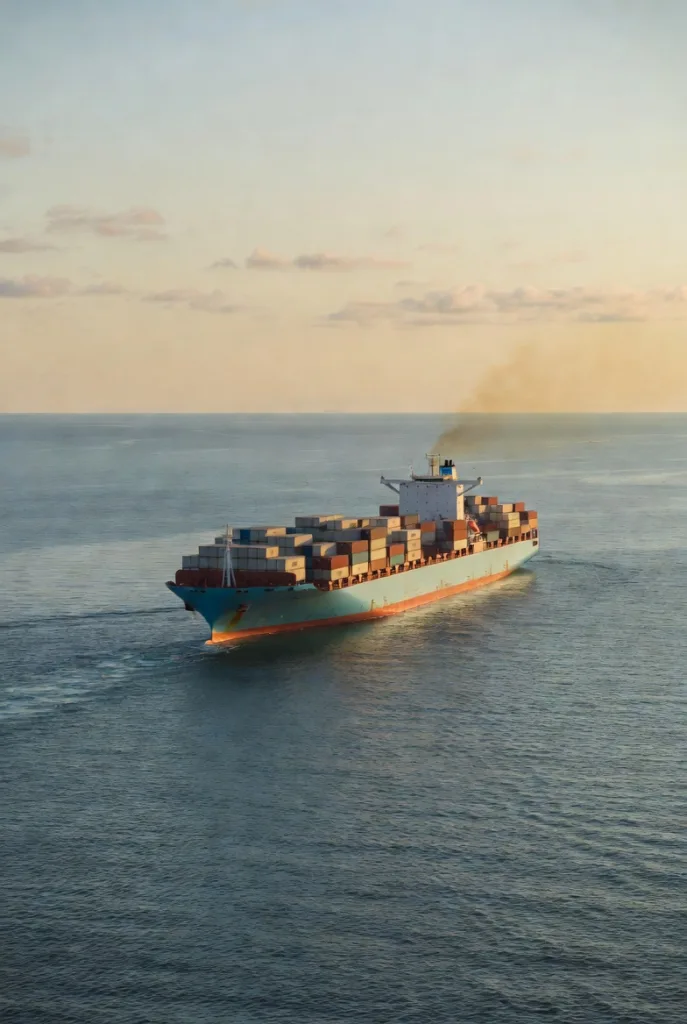
- International freight
- Additional sampling shipments
- Potential rework transport
As part of our ISO 14001 programme (achieved January 2026) and our structured Scope 3 emissions reporting development, tooling route is now part of environmental transparency.
Insight123 integration and the SGH Client Portal (H2 2026) will provide formula-based emissions calculations that allow clients to evaluate carbon impact more clearly.
Tooling strategy is therefore both a commercial and environmental decision.
When Overseas Tooling May Be Appropriate
There are scenarios where overseas tooling can be appropriate, including:
- High-volume programmes where cost amortisation is significant
- Non-regulated components with lower dimensional sensitivity
- Budget-constrained early-stage projects
- Mature designs requiring minimal iteration
In these cases, structured validation and lifecycle planning remain critical.
Our long-standing international partnership allows us to offer this route with transparency and control.
DFM as the Decision Foundation
The decision between UK and overseas tooling should not be made before DFM.
During DFM at SGH, we outline:
- Dimensional sensitivity
- Material abrasiveness
- Expected lifecycle volume
- Engineering change likelihood
- Tolerance criticality
- Carbon reporting implications
Only once these factors are understood should tooling location be finalised.
Protecting Long-Term Supply Stability
Tooling strategy directly influences supply continuity.
In high-mix environments such as ours, where approximately 1,000 SKUs are managed annually, agility and responsiveness are essential.
UK tooling often provides faster modification turnaround. Overseas tooling can remain effective when structured validation and maintenance are applied consistently.
The objective is not to select the cheapest option. It is to select the most stable option over the life of the programme.
Transparent Commercial Discussion
At SGH, tooling route decisions are made collaboratively.
We provide:
- Cost comparison
- Timeline impact
- Validation implications
- Lifecycle servicing alignment
- Carbon footprint considerations
This transparency prevents reactive adjustment later in the project.
If you are evaluating whether UK-based or overseas tooling is appropriate for your project, we can provide a structured comparison based on lifecycle risk, validation requirements and total programme cost.