
Design for Manufacture (DFM)
Part of SGH Technical Resource Centre
Design for Manufacture (DFM) sits at the centre of how we operate as a UK injection moulding manufacturer at SGH. Before any steel is cut, we review component geometry, material selection, shrinkage behaviour and lifecycle expectations to ensure your product can be moulded reliably and economically. Our DFM process is collaborative and practical, refining CAD intent into a design that works in a real manufacturing environment, not just on screen.
Explore related content:
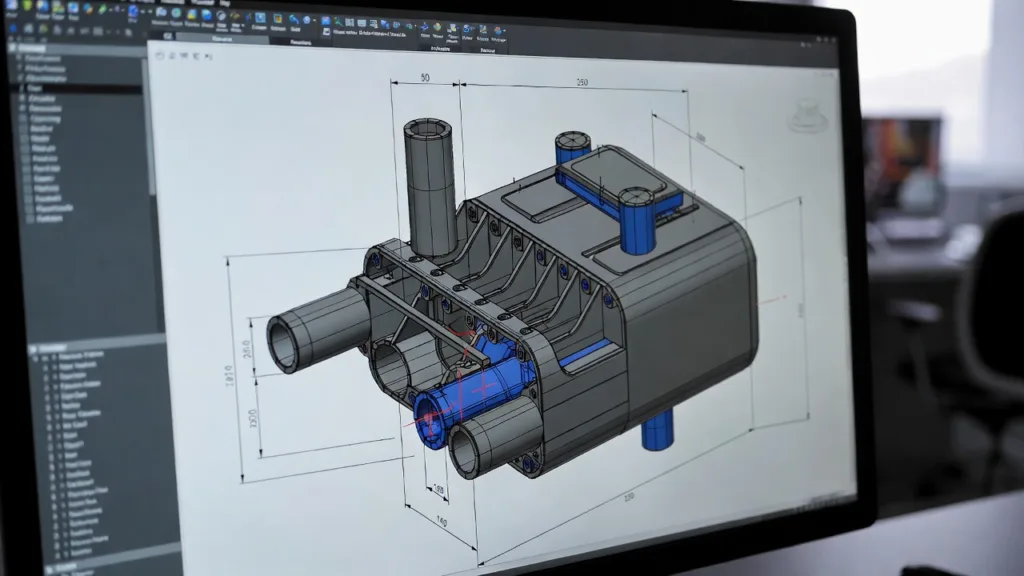
What Is Design for Manufacture in Injection Moulding?
Design for Manufacture (DFM) is the structured engineering process of converting a conceptual or CAD-based product design into a component that can be manufactured reliably, repeatedly and economically.
At SGH, DFM is not a formality added after tooling begins. It is a disciplined technical review carried out before steel is cut. The objective is to ensure that the finished component meets functional requirements while remaining stable in production across thousands, and often millions, of cycles.
Without structured DFM input, designs that appear correct on screen may lead to:
- Dimensional instability
- Cosmetic defects
- Excessive cycle times
- Tooling modifications
- Premature tool wear
- Escalating lifecycle costs
DFM protects both the tooling investment and the long-term performance of the supply chain. DFM findings are translated into engineered steel through structured tool design and toolroom engineering.
How SGH Conducts a DFM Review in Injection Moulding
Our DFM process integrates design engineering, tooling knowledge and production experience.
Geometry and Draft Review
All vertical faces are assessed for adequate draft relative to surface finish and material type. Draft angles are often added or adjusted to ensure reliable ejection without compromising final product appearance.
Designers frequently model parts to final geometry without accounting for tool extraction requirements. Our role is to reconcile those constraints early.
Wall Thickness and Structural Stability
Wall thickness is evaluated for:
- Uniformity
- Cooling balance
- Sink risk
- Warpage potential
Where variation is required for structural reasons, we assess ribbing strategies or alternative reinforcement methods to avoid cosmetic compromise.
Material Behaviour and Shrinkage
Different polymers behave differently under thermal load.
For example:
- Nylon exhibits moisture absorption and variable shrinkage
- Glass-filled materials introduce directional flow characteristics
- Flame retardant grades can alter flow and cooling behaviour
We assess shrinkage values during DFM and incorporate them into cavity sizing and dimensional planning before tool manufacture begins.
Gate Location and Flow Path
We assess whether the component is best suited to:
- Single cavity tooling
- Multi-cavity production
- Family tooling (tool suites for a product)
- Hot runner or cold feed systems
This decision is based on forecast volume, lifecycle expectations and commercial budget.
DFM and Tooling Strategy – UK vs Overseas Considerations
SGH provides both in-house tooling manufacture and a long-standing international partnership option. Only approximately 15% of tooling currently utilises the overseas route, and this is always a conscious, client-led decision.
During DFM, we outline clearly:
- Validation requirements
- Shipping time and risk
- Scope 3 implications
- Potential modification flexibility
- Total lifecycle cost
While overseas tooling can offer lower visible labour and steel cost, changes during development or validation can increase total project time and cost significantly. In many cases, UK-based tooling provides greater long-term stability and reduced carbon impact.
Providing transparent comparison at DFM stage allows informed commercial decisions rather than reactive adjustments later.
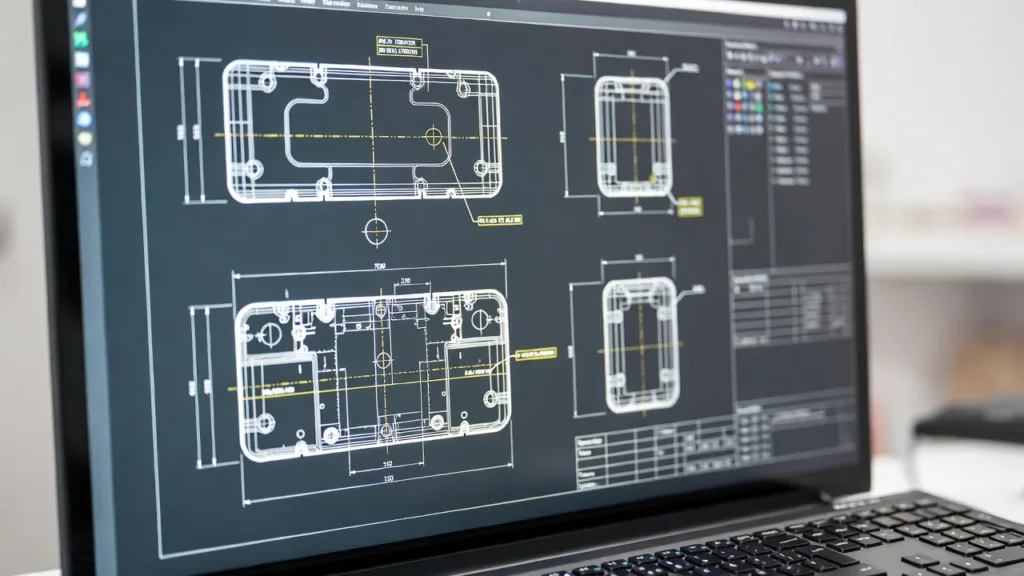
DFM and Tool Validation in Injection Moulding
DFM does not conclude when the design is approved. It continues through tool trial and validation.
At SGH:
- Controlled tool trials are conducted prior to serial release
- Dimensional verification is performed using CMM inspection
- PPAP Level 3 and Level 5 elements are supported where required
- Material certification and ISIR documentation are prepared as needed
This structured approach reduces risk before production volumes increase.
DFM in a Low Volume, High Mix Environment
With approximately 1,000 active SKUs annually, SGH operates in a complex manufacturing environment.
DFM must account for:
- Set-up efficiency
- Press selection
- Batch size optimisation
- Warehousing strategy
For low-volume components, design decisions that reduce cycle time or simplify tool architecture can materially impact total cost. For high-runner components, small dimensional refinements can significantly improve long-term stability.
Our planning team integrates DFM considerations with production scheduling and stockholding strategy.
DFM and Tool Lifecycle Planning
Typical tool life at SGH ranges between 100,000 and 150,000 cycles, although tools can be engineered for significantly longer service life where required.
During DFM we determine:
- Expected annual cycle volume
- Material abrasiveness
- Maintenance frequency
Recommended servicing intervals vary:
- Under 50,000 cycles annually – service annually
- Over 50,000 cycles annually – service every six months
- Over 100,000 cycles annually – service quarterly
These service records are documented and will be available through the SGH Client Portal in H2 2026.
DFM is therefore directly connected to long-term asset management, not just initial design.
Common DFM Pitfalls We Encounter
Over four decades of manufacturing, we frequently encounter:
- CAD designs with zero draft
- Cosmetic surfaces that conflict with ejection mechanics
- Tolerance stacking across multi-part assemblies
- Excessive wall thickness leading to sink
- Inappropriate polymer selection for environmental exposure
Addressing these early prevents costly mid-project modification.
DFM as a Commercial Safeguard
Design for Manufacture reduces:
- Tool modification costs
- Validation delays
- Carbon impact from rework
- Supply chain instability
- Warranty exposure
It also protects the customer’s brand reputation by ensuring dimensional and cosmetic consistency.
At SGH, DFM is not a separate consultancy service; it is embedded within how we operate as a manufacturing partner.
Integration with the SGH Client Portal
As Insight123 completes its full integration in 2026, DFM decisions will link directly to:
- Tool card records
- Batch traceability
- Performance metrics
- Scope 3 emission calculations
This creates continuity between early-stage design decisions and long-term production data visibility.
To see how structured Design for Manufacture integrates directly with tooling strategy and production control, explore our Design for Manufacture & Engineering Collaboration services.
This approach underpins programmes across construction, industrial automation and regulated manufacturing sectors.
If you are developing a new component or reviewing an existing mould tool, early Design for Manufacture input can significantly reduce cost, delay and long-term instability.
Our engineering team can review your CAD data confidentially and provide practical feedback aligned to tooling strategy, material behaviour and production planning.