
Tool Design & Toolroom Engineering
Part of SGH Technical Resource Centre
At SGH, tool design is an engineering discipline, not an afterthought. Our in-house toolroom and CNC capability allow us to control how a mould tool is conceived, manufactured, trialled and maintained throughout its working life. This page outlines how we approach tool architecture, cavity strategy, material flow, cooling and long-term durability to ensure stable production over many years.
Explore related content:
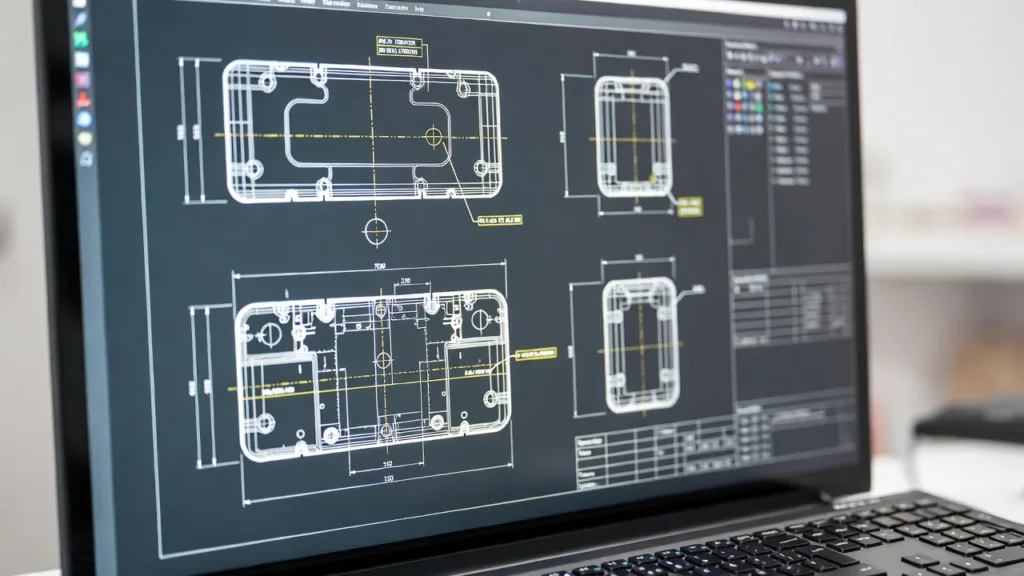
The Role of Tool Design in Injection Moulding
Injection mould tool design is where DFM intent becomes engineered reality. Geometry, gating strategy, cooling layout, venting design and cavity sizing are translated into steel with long-term production performance in mind.
At SGH, tool design is not treated as a one-off cost exercise. It is the engineering foundation for dimensional stability, cycle efficiency and lifecycle durability. Material behaviour, shrinkage characteristics and projected production volumes are incorporated into cavity design before manufacture begins, ensuring predictable performance once tools enter serial production.
In-House Toolroom Engineering Capability
SGH operates a fully equipped in-house toolroom supporting tool manufacture, modification, servicing and refurbishment.
We provide:
- Full EDM capability
- CNC milling and manual machining
- Semi-CNC lathe operations
- Insert manufacture and replacement
- Gate modification and cooling adjustments
- Tool refurbishment and revalidation
While we also work with a long-term, trusted Asian tooling partner where appropriate, approximately 85% of tooling projects are fulfilled through our in-house engineering team
SGH – Technical capability. Overseas tooling is always a transparent, client-led decision based on total project considerations including validation, logistics, Scope 3 impact and lifecycle agility.
What Does Injection Mould Tool Design Involve?
Injection mould tool design involves:
- Cavity and core design aligned to shrinkage characteristics
- Gating and runner system optimisation (hot or cold feed systems)
- Cooling circuit layout for thermal control
- Venting strategy to prevent gas trapping
- Steel grade selection based on volume and material abrasiveness
- Lifecycle planning aligned to projected cycle counts
At SGH, tooling is designed for typical lifespans of 100,000–150,000 cycles as standard
SGH – Technical capability, with extended-life tooling engineered where customer specification demands.
Tool Design and Dimensional Accuracy
Dimensional performance begins with cavity sizing and shrinkage compensation.
Polymer behaviour, fibre orientation in filled materials and cooling dynamics are incorporated during design to protect tolerance stability. Tool geometry directly influences repeatability, and poorly engineered tools are one of the most common causes of long-term dimensional drift.
Tool design is therefore intrinsically linked to our Dimensional Control & Tolerances framework and structured validation process.
Tool Maintenance, Refurbishment and Modification
Tool performance does not remain static. Preventative maintenance intervals are defined by cycle volume:
- Under 50,000 cycles per year – typically annual servicing
- Over 50,000 cycles per year – typically biannual servicing
- Over 100,000 cycles per year – typically quarterly servicing
All servicing is documented with detailed reports and recorded on internal tool cards. These records will be accessible via the SGH Client Portal from H2 2026 SGH – Technical capability.
Structured maintenance prevents unplanned downtime, protects dimensional integrity and extends total tool life.
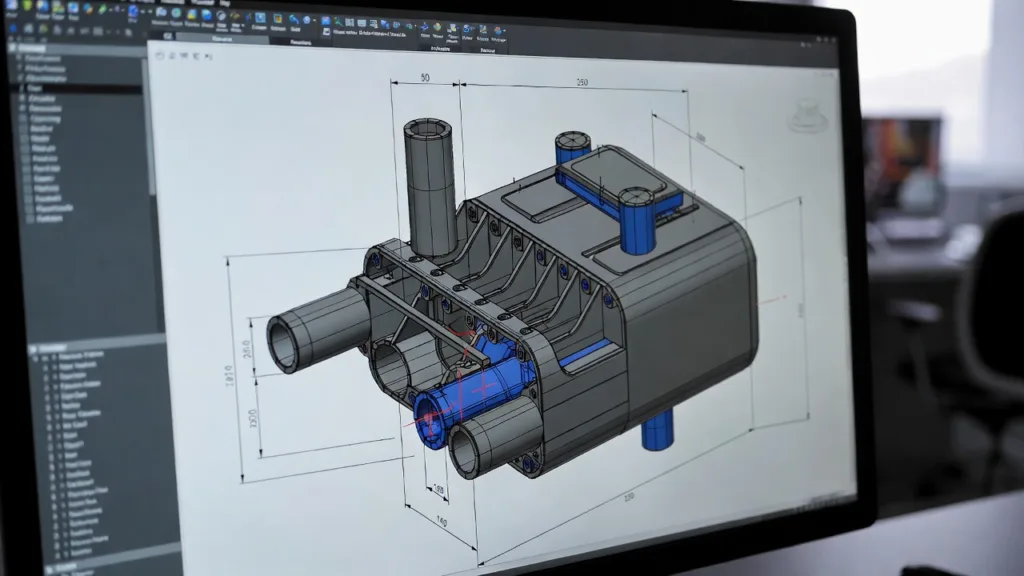
UK Tooling vs Overseas Tooling Considerations
Tooling decisions must consider more than initial cost.
While overseas tooling may offer lower labour and steel costs, total project evaluation includes:
- Validation travel and supervision requirements
- Shipping time and uncertainty
- Modification agility during development
- Scope 3 carbon impact
- Production proximity
SGH provides transparent comparison between in-house UK tooling and trusted overseas partners
SGH – Technical capability, enabling clients to make fully informed decisions. Increasingly, customers have chosen UK tooling after reviewing total cost, carbon impact and lifecycle flexibility.
Engineering Support Throughout the Tool Lifecycle
Tooling at SGH is treated as a production asset, not a consumable.
Our engineering team supports:
- Dimensional drift monitoring
- Insert replacement
- Gate modifications
- Cooling optimisation
- Process efficiency improvements
Lifecycle performance is integrated with validation data, dimensional records and traceability systems to maintain long-term stability.
Protecting Long-Term Production Stability
Injection mould tool design and engineering discipline underpin supply chain stability.
By integrating DFM, structured validation, preventative maintenance and documented tool history, SGH reduces emergency rebuild risk and protects continuity of production across low-volume and high-mix environments.
This structured approach supports regulated, technically demanding and international customers seeking engineering-led manufacturing partners rather than transactional moulding suppliers.
Whether you are developing a new injection mould tool or reviewing the performance of an existing asset, our engineering team can provide structured guidance on design, lifecycle planning and validation. We offer transparent advice on UK and overseas tooling routes, maintenance planning and long-term production stability.