
Tool Lifecycle & Maintenance
Part of SGH Technical Resource Centre
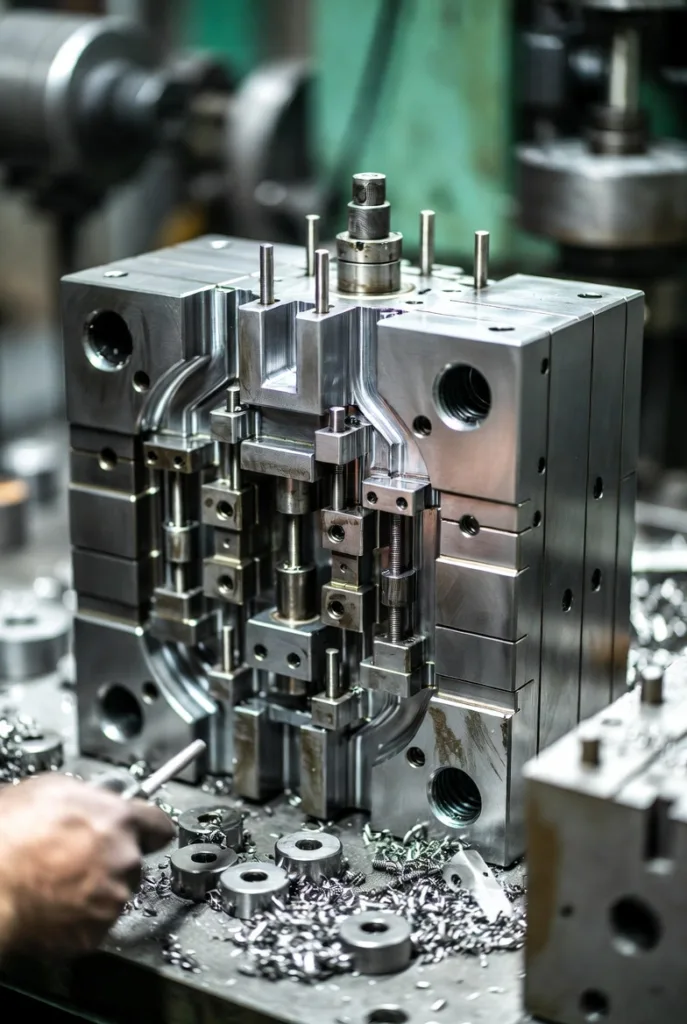
A mould tool is a long-term production asset. At SGH, we design, build and maintain tools with lifecycle stability in mind, often supporting tools for many years of continuous production. Preventative servicing, monitoring and small corrective interventions protect dimensional accuracy and avoid costly deterioration. This guide explains how we safeguard tooling performance over time.
Explore related content:
Tooling as a Long-Term Production Asset
A mould tool is not a one-off purchase. It is a production asset that determines dimensional accuracy, cosmetic consistency and supply stability over many years.
At SGH, we treat tooling as a managed lifecycle asset rather than a static capital item. Whether a tool is manufactured in-house or through our established overseas partnership, we apply the same principles of validation, preventative maintenance and performance monitoring.
Most dimensional instability and supply risk in injection moulding does not originate from the press. It originates from unmanaged tool degradation.
Designing for Lifecycle Performance
Tool lifecycle planning begins at the Design for Manufacture stage. Ongoing toolroom engineering supports lifecycle performance and dimensional consistency.
During DFM, we determine:
- Expected annual cycle volume
- Material abrasiveness
- Material abrasiveness
- Anticipated product lifespan
- Environmental exposure factors
Typical tool life at SGH ranges between 100,000 and 150,000 cycles, though tools can be engineered for significantly longer service where forecast volumes justify enhanced steel specification and architecture.
Early lifecycle planning prevents under-specification and protects long-term dimensional stability.
In-House Toolroom Capability for Injection Mould Tool Maintenance
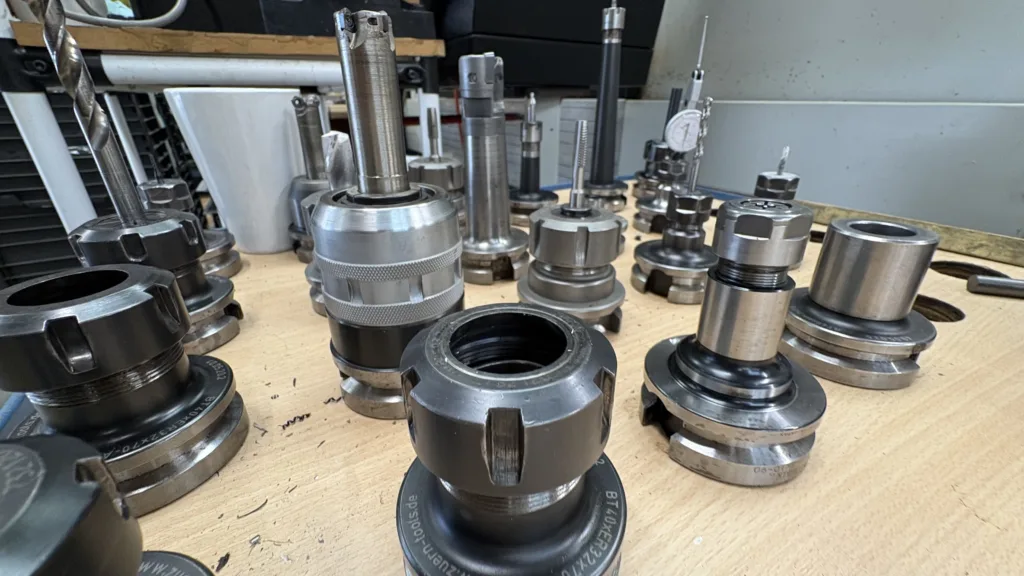
SGH maintains in-house tool design and machining capability, including CNC machining, EDM and manual finishing. This allows us to:
- Modify tooling efficiently
- Respond to dimensional adjustments
- Repair wear areas quickly
- Avoid extended downtime
Approximately 85% of tooling is produced within our UK-controlled environment. Around 15% is manufactured via our long-standing international partnership, always as a conscious commercial decision made transparently with the client.
Regardless of origin, lifecycle servicing standards remain identical.
Preventative Maintenance Intervals
Tool wear is gradual and predictable when monitored correctly.
At SGH, servicing frequency is aligned to production volume:
Under 50,000 Cycles Annually
Tool servicing is typically conducted annually.
Over 50,000 Cycles Annually
Servicing is recommended every six months.
Over 100,000 Cycles Annually
Quarterly inspection and servicing is advised.
Servicing includes:
- Cleaning and cavity inspection
- Wear surface assessment
- Ejector system inspection
- Cooling channel review
- Seal and guide component evaluation
Documented preventative maintenance avoids tolerance drift and unexpected failure.
Reactive Repairs vs Structured Servicing
Reactive tooling repair often occurs only after a visible issue emerges. This approach increases:
- Downtime risk
- Dimensional instability
- Cosmetic defects
- Emergency cost
Our structured servicing model focuses on small, controlled interventions before wear escalates.
Minor surface polishing, component replacement or alignment correction is significantly more cost-effective than major refurbishment or tool replacement.
Monitoring Dimensional Drift
Dimensional drift can occur gradually due to:
- Cavity surface wear
- Ejector pin misalignment
- Gate erosion
- Cooling channel blockage
- Material abrasion
At SGH, dimensional checks are integrated into batch release procedures. CMM verification and manual inspection protect critical features, particularly for regulated or tight-tolerance components.
When combined with documented tool servicing, this ensures dimensional integrity is maintained across the full lifecycle.
Tool Ownership and Transparency
Tool ownership structures vary by project. In all cases, we maintain detailed tool cards documenting:
- Production volume
- Service history
- Modifications
- Repair activity
From H2 2026, the SGH Client Portal will provide clients with visibility of tool service history and lifecycle status. This level of transparency is uncommon within SME manufacturing and reflects our long-term partnership model.
Tooling in a High-Mix Manufacturing Environment
With approximately 1,000 active SKUs annually, tool changeovers are frequent and structured.
Our planning system ensures:
- Tools are stored correctly
- Maintenance intervals are tracked
- Press selection aligns with tool specification
- Set-up discipline is maintained
The ability to manage a high mix of tools without dimensional degradation is central to our operating model.
Tooling Strategy – UK vs Overseas Lifecycle Impact
When tooling is manufactured overseas, lifecycle considerations include:
- Lead time for modification
- Carbon impact of shipment
- Validation travel requirements
- Time to implement engineering change
During DFM and commercial discussion, we outline these lifecycle implications clearly.
In many cases, UK-based tooling provides greater agility and lower long-term risk. Where overseas manufacture is selected, we apply structured validation and maintain identical servicing discipline once tools are in production at SGH.
Extending Tool Life Through Material and Process Control
Material selection influences tool wear. Glass-filled and abrasive materials increase cavity surface wear over time.
Process parameters also affect lifecycle:
- Excessive clamp force
- Inconsistent injection pressure
- Poor cooling management
Press selection within our 20T–650T fleet is aligned to avoid overloading tooling unnecessarily.
Electric presses contribute to improved process consistency and energy efficiency for higher tonnage applications.
Protecting Supply Chain Stability
Tool failure is one of the most disruptive risks in injection moulding. Structured tool maintenance reduces unplanned downtime, protects dimensional stability and prevents costly emergency tool rebuilds.
By combining:
- Structured DFM
- Controlled validation
- Preventative servicing
- Batch-level dimensional checks
- Transparent lifecycle records
SGH protects continuity of supply across low-volume and high-runner programmes alike.
This is particularly important where:
- JIT supply agreements are in place
- 6–12 week safety stock programmes operate
- International shipping schedules apply
Tool lifecycle discipline underpins delivery performance.
To see how tool lifecycle governance integrates with in-house engineering and production stability, explore our In-House Tool Design & Toolroom Engineering services.
Structured lifecycle management supports long-running programmes across construction equipment and industrial automation sectors.
If you are commissioning a new mould tool or reviewing the performance of an existing asset, we can advise on lifecycle planning, servicing intervals and risk mitigation aligned to your production volumes.